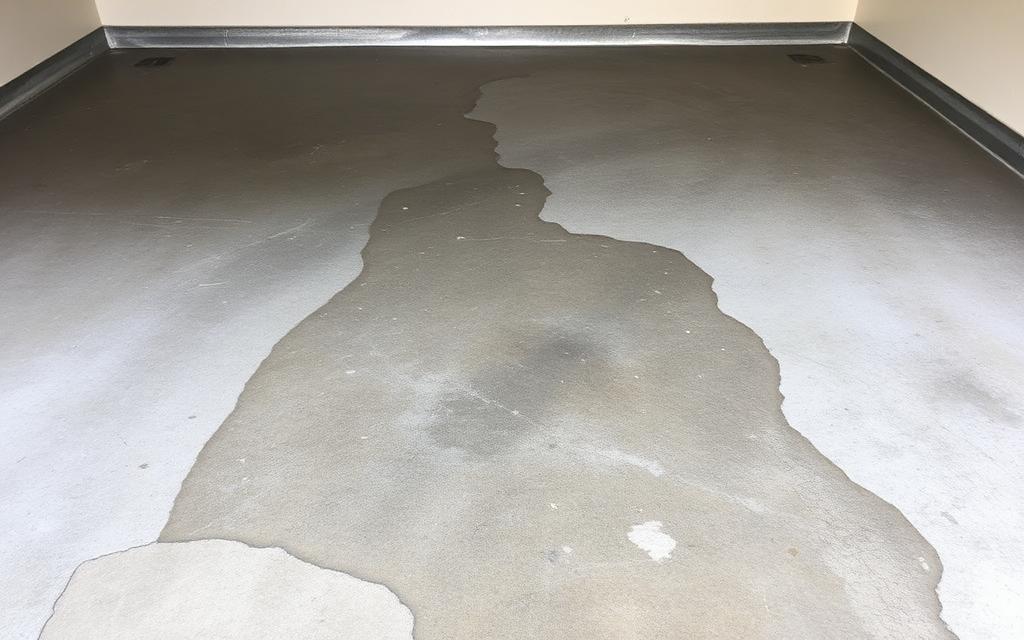
If you've ever seen a garage floor coating peel, bubble, or turn yellow within a year of installation, there's a good chance it was in Louisiana. Our state's combination of extreme humidity, intense heat, and moisture-saturated concrete creates conditions that expose every weakness in a garage floor coating system. Understanding why coatings fail here is the first step toward choosing one that won't.
The Louisiana Climate Problem
Lafayette and the surrounding Acadiana region sit in one of the most humid zones in the continental United States. Average relative humidity hovers between 75% and 85% year-round. Summer temperatures regularly push garages above 100°F. And the water table across much of South Louisiana is remarkably high — often just a few feet below the surface.
This creates a perfect storm for coating failure. Moisture vapor continuously moves upward through concrete slabs, exerting hydrostatic pressure against the coating from below. When that moisture can't escape through the coating, it pushes the coating off the concrete — causing bubbling, delamination, and complete failure.
The Five Most Common Failure Causes
1. Inadequate Surface Preparation
This is the number one reason coatings fail — in Louisiana or anywhere. Acid etching, which is the preparation method included in every DIY kit, simply does not create a sufficient mechanical profile for long-term adhesion. Professional diamond grinding opens the concrete pores and creates a surface profile that allows the coating to mechanically bond to the substrate. Without it, you're relying on surface adhesion alone — which will fail under Louisiana's conditions.
2. Moisture Vapor Transmission
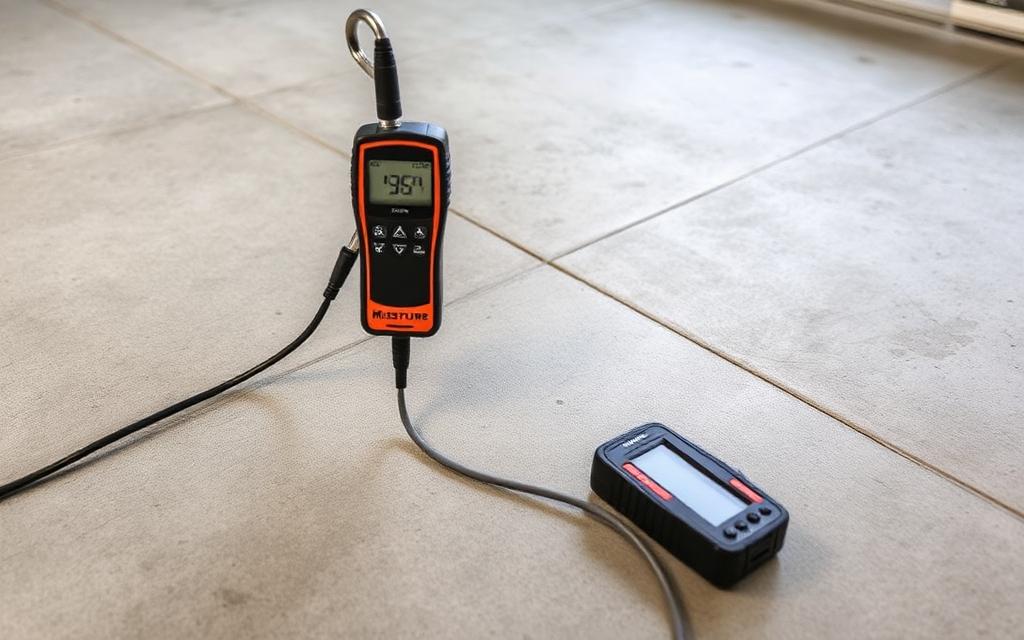
Louisiana's high water table means many concrete slabs have elevated moisture vapor transmission rates (MVTR). If this isn't tested and addressed before coating, the moisture will push the coating off from below. Professional installers test MVTR with calcium chloride tests or electronic meters and apply moisture mitigation primers when necessary.
3. Wrong Coating Chemistry
Water-based epoxy — the chemistry used in most DIY kits — is the least durable option available. It has poor chemical resistance, minimal UV stability, and limited adhesion strength. Solvent-based epoxy is better but still vulnerable to yellowing and hot tire pickup. Polyaspartic and polyurea coatings are engineered for the conditions that destroy lesser systems.
4. Application in Wrong Conditions
Traditional epoxy has a narrow application window — typically 50°F to 80°F with humidity below 60%. In Lafayette, those conditions exist for maybe a handful of days per year. Applying epoxy outside its temperature and humidity range leads to improper curing, poor adhesion, and premature failure. Polyaspartic coatings can be applied in temperatures from 35°F to 100°F, making them far more practical for Louisiana's climate.
5. Hot Tire Pickup
When you park a vehicle that's been driven on Louisiana's scorching summer roads, the tires can reach 200°F+. When those tires cool on a traditional epoxy floor, the thermal contraction creates a suction effect that literally pulls the coating off the concrete. This is one of the most common complaints with budget coatings in our region. Professional polyaspartic systems are specifically formulated to resist hot tire pickup.
The Bottom Line
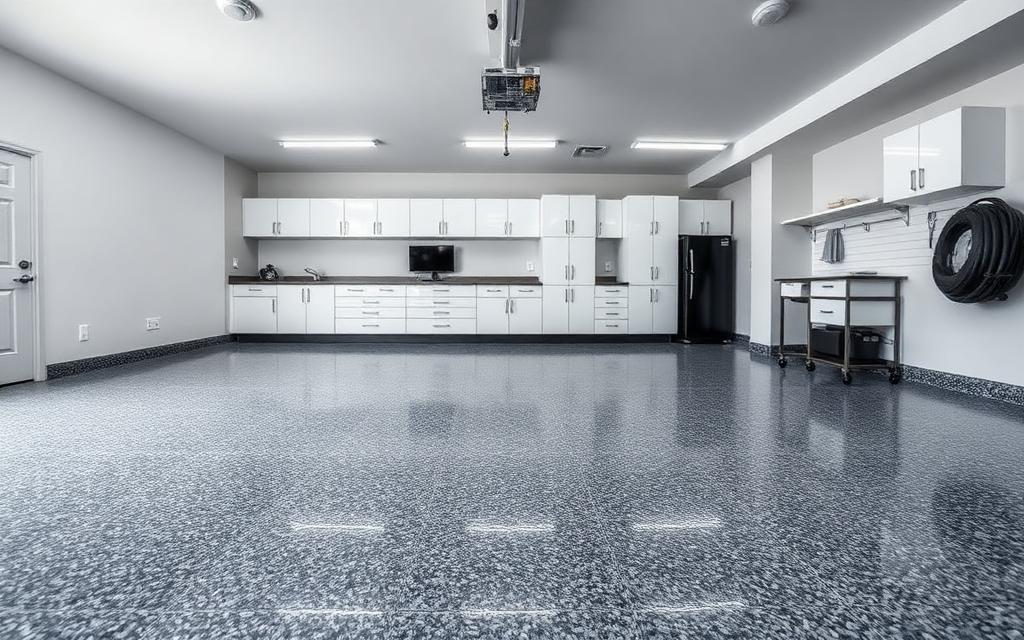
Garage floor coatings fail in Louisiana because our climate is harder on coatings than almost anywhere else in the country. Humidity, heat, moisture, and UV exposure all work against lesser systems. The coatings that survive here are the ones installed by professionals who understand these challenges — with proper surface preparation, moisture testing, and chemistry designed for our conditions.
If you're considering a garage floor coating in Lafayette or anywhere in Acadiana, understanding why coatings fail is just as important as understanding what makes them succeed.