If you're comparing polyaspartic and epoxy coatings for your garage in Lafayette or anywhere in Acadiana, you're asking the right question. Both are legitimate coating technologies, but they perform very differently in Louisiana's climate. This guide breaks down the differences that matter most — UV resistance, humidity tolerance, cure time, and long-term durability — so you can make an informed decision.
The Chemistry Difference
Epoxy is a two-part thermosetting resin that cures through a chemical reaction between a resin and a hardener. It's been the standard garage floor coating for decades. Polyaspartic is a type of aliphatic polyurea that cures through a different mechanism — one that produces a coating with superior UV stability, chemical resistance, and flexibility.
The practical difference? Epoxy is sensitive to temperature, humidity, and UV light during and after application. Polyaspartic is engineered to perform in exactly the conditions that cause epoxy to fail.
Head-to-Head in Louisiana Conditions
Why Epoxy Struggles in Louisiana
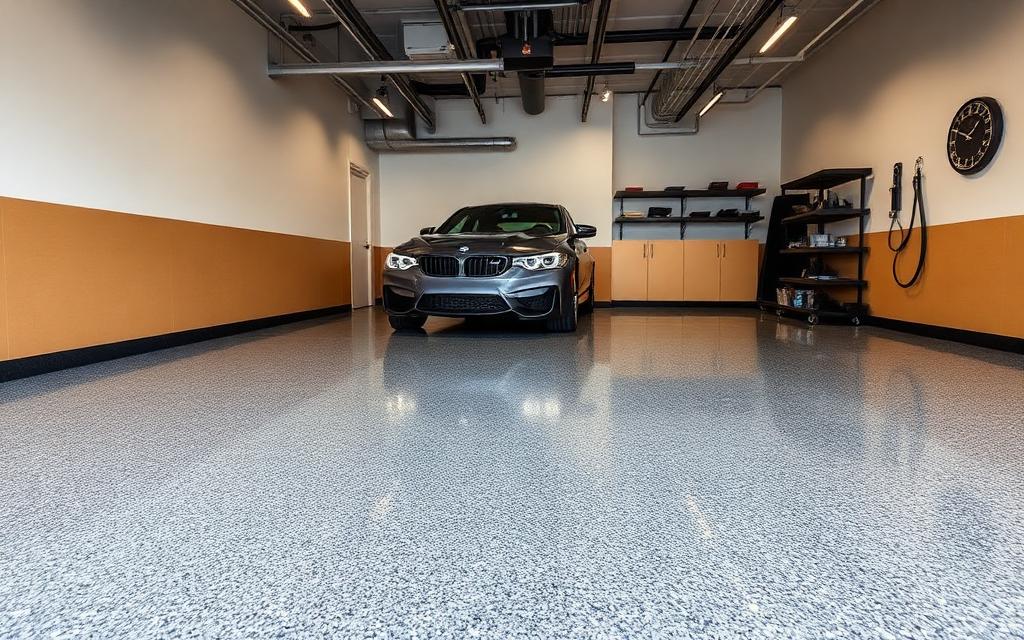
Epoxy's weaknesses align almost perfectly with Louisiana's climate challenges. The humidity in Lafayette, Broussard, and Youngsville exceeds epoxy's comfortable application range for most of the year. Summer temperatures make garages too hot for proper epoxy application. UV exposure from south-facing garage doors causes yellowing within the first year. And hot tire pickup — where superheated tires pull the coating off the concrete — is an almost inevitable consequence of parking on traditional epoxy in our climate.
When Epoxy Might Still Make Sense
Epoxy isn't a bad product in the right conditions. Interior applications with zero UV exposure (like basements), climate-controlled environments, and situations where budget is the absolute primary concern can still be reasonable use cases. But for a garage that's exposed to Louisiana's sun, heat, and humidity — epoxy is the wrong tool for the job.
The Bottom Line
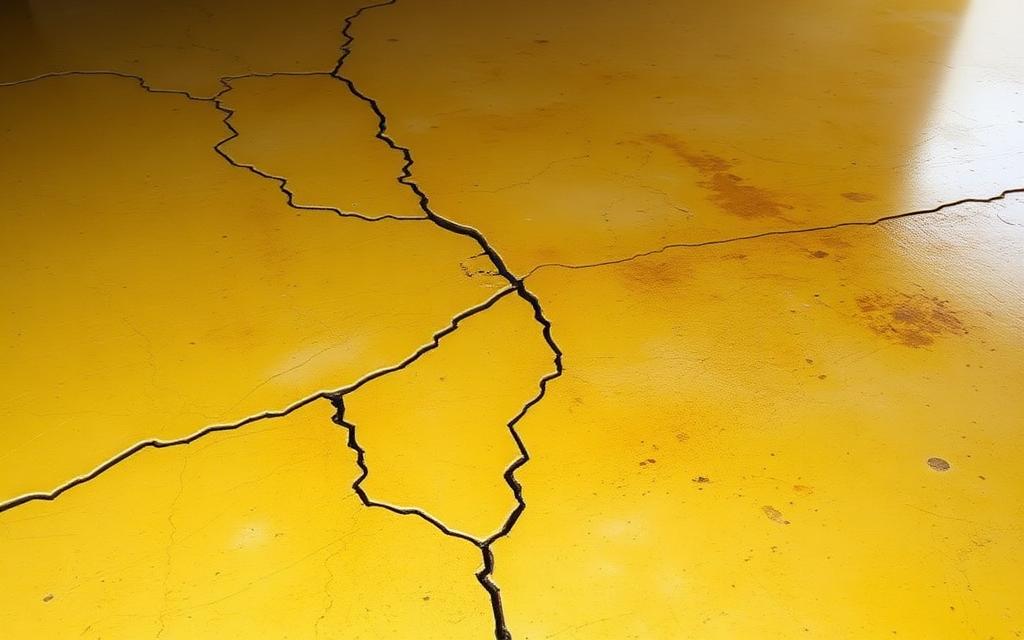
In Louisiana, polyaspartic wins on every metric that matters — UV resistance, humidity tolerance, application flexibility, cure time, and long-term durability. The upfront cost difference is real, but the performance gap in our climate makes polyaspartic the clear choice for any homeowner who wants their coating to last.
If you're considering a garage floor coating in Lafayette, choosing the right chemistry for our conditions is the single most important decision you'll make.